
Can portable ultrasound replace certain imaging tests?
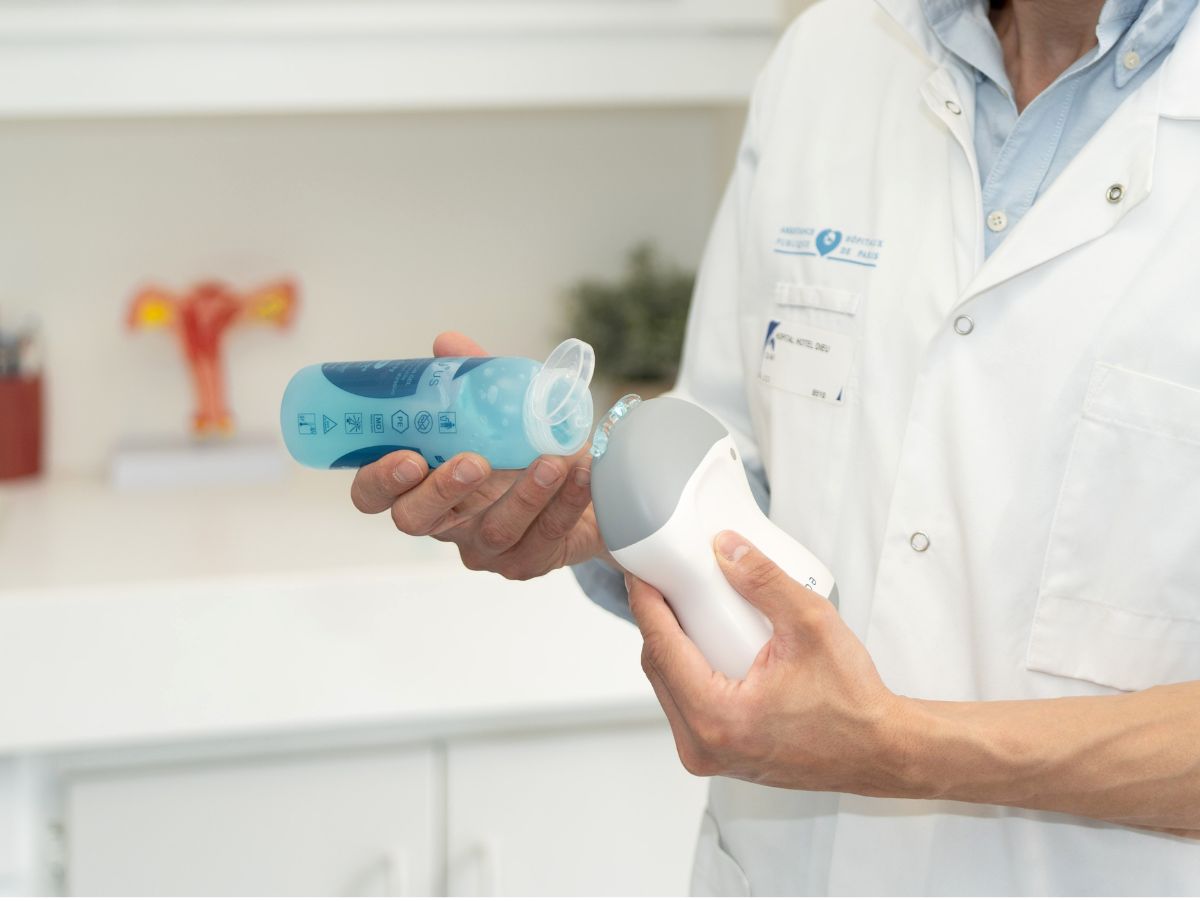
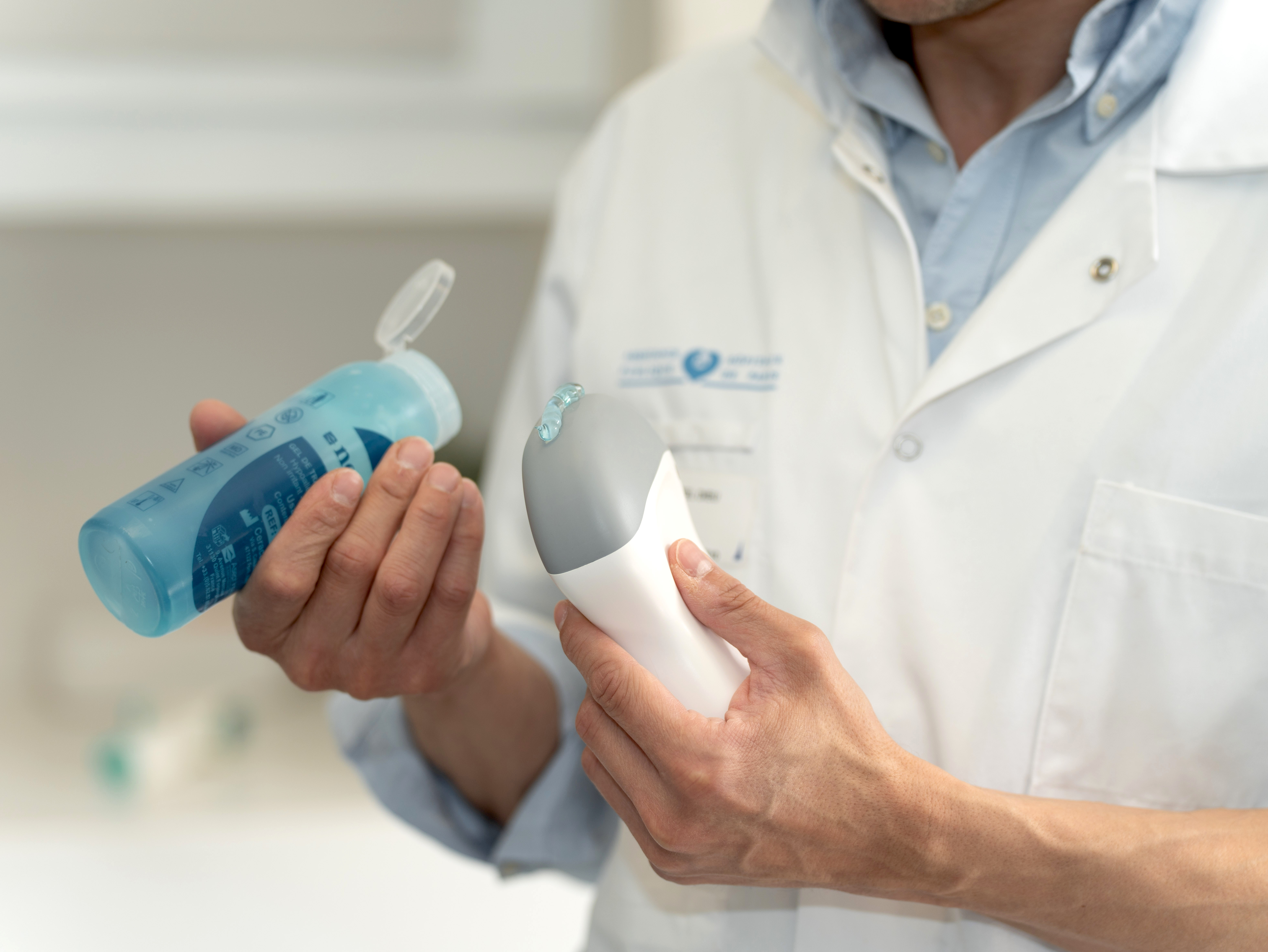
Portable ultrasound is now one of the most promising tools in modern medicine. Lightweight, accessible, and connected, it now accompanies healthcare professionals at the patient's bedside, in consultations, on the move, and even in humanitarian situations.
But one question often arises: can it replace certain traditional imaging exams?
The answer is nuanced.
A revolution in clinical practice
For a long time, medical imaging was synonymous with heavy equipment: radiology, CT scans, MRIs... essential, but expensive, centralized, and sometimes difficult to access.
The arrival of portable ultrasound changed the game. It allows:
- to obtain a real-time image,
- without irradiation,
- with a handheld device,
- and at a much lower cost than conventional equipment.
This accessibility paves the way for a new approach: clinical ultrasound, integrated directly into the physical examination.
In what cases can portable ultrasound replace an imaging exam?
1. For triage and diagnostic guidance
In many situations, portable ultrasound allows you to quickly answer a simple clinical question:
- Is there pleural effusion?
- Urinary retention?
- An intrauterine pregnancy?
- Pericardial effusion?
- Suspected fracture in a child?
In these cases, it can avoid the need for extensive imaging or speed up treatment.
2. For monitoring known conditions
Portable ultrasound is particularly useful for monitoring the progress of a patient who has already been diagnosed:
- monitoring of heart failure (assessment of congestion),
- monitoring of pneumopathies,
- control of effusion,
- basic obstetric care in remote areas.
It does not replace reference imaging, but complements and streamlines the care pathway.
3. For technical movements
Portable ultrasound has become essential for ensuring:
- punctures,
- venous approaches,
- infiltrations,
- drainage systems.
In these situations, it is a useful replacement for more cumbersome imaging equipment, as it is immediate, mobile, and sufficient.
But be careful: replacing does not mean equaling.
Portable ultrasound has limitations:
- lower resolution than high-end ultrasound scanners,
- operator dependency,
- smaller exploration area,
- inability to replace a scanner or MRI for complex diagnoses.
It cannot therefore replace specialized imaging for:
- searching for deep lesions,
- detailed analysis of complex organs,
- the oncological assessment,
- severe trauma.
So, replacement or addition?
The real question is not whether portable ultrasound is replacing traditional imaging, but rather how it is reinventing the role of imaging in the healthcare pathway.
It enables :
- to speed up diagnosis,
- to reduce delays,
- to relieve congestion in imaging departments,
- improve access to healthcare in underserved areas,
- to strengthen the autonomy of caregivers.
In this sense, it does not replace heavy imaging: it precedes, guides, and complements it.
echOpen visionechOpen making ultrasound accessible to all
At echOpen, we believe that portable ultrasound is a major lever for democratizing access to imaging.
Our mission: to develop open, affordable solutions tailored to the needs of the field, so that every healthcare professional can integrate ultrasound into their daily practice.
The future of imaging is hybrid:
- portable device for triage, monitoring, and procedures,
- specialized in complex diagnostics.
And it is this complementarity that will transform medicine in the long term.