.png)
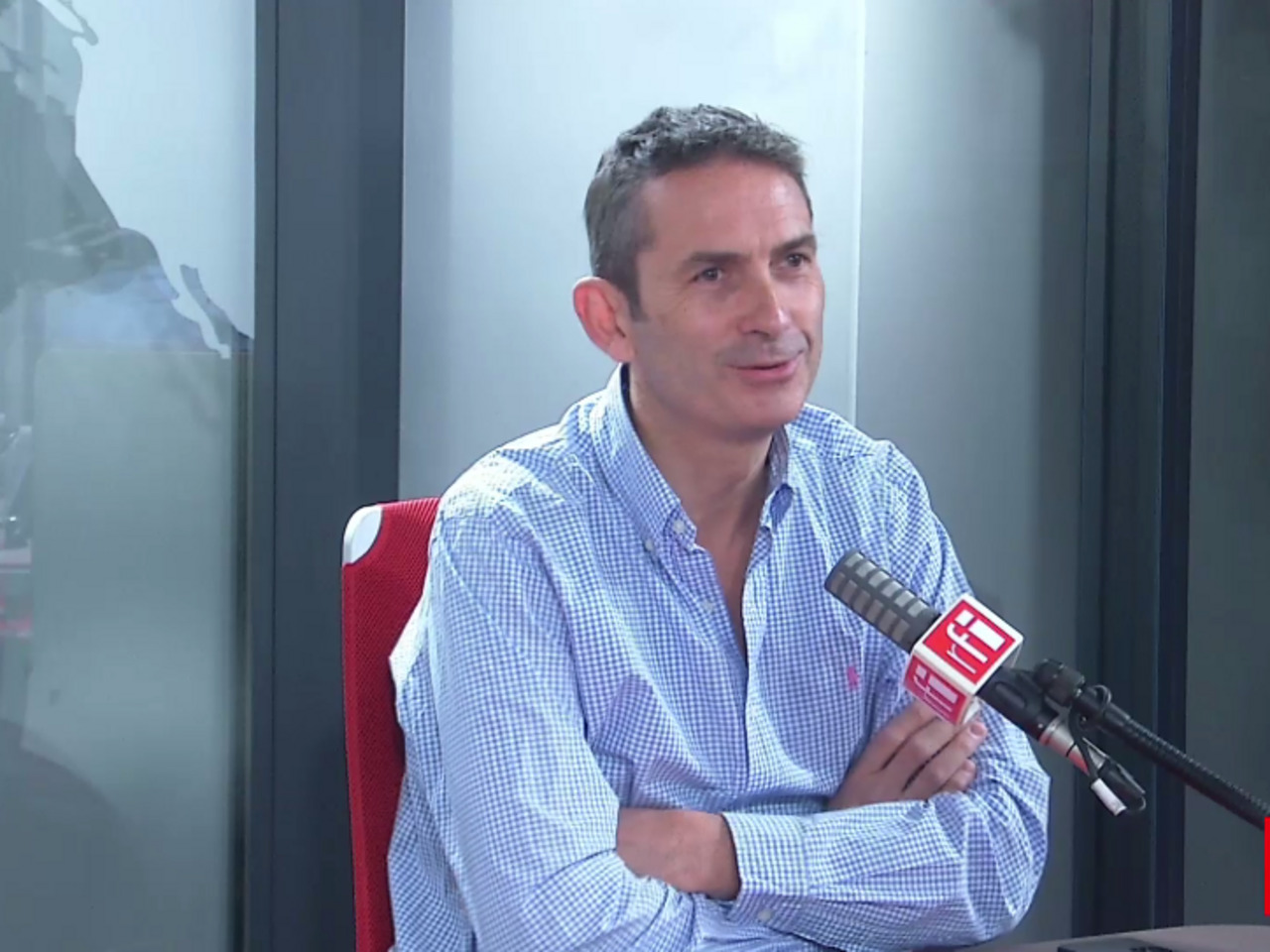
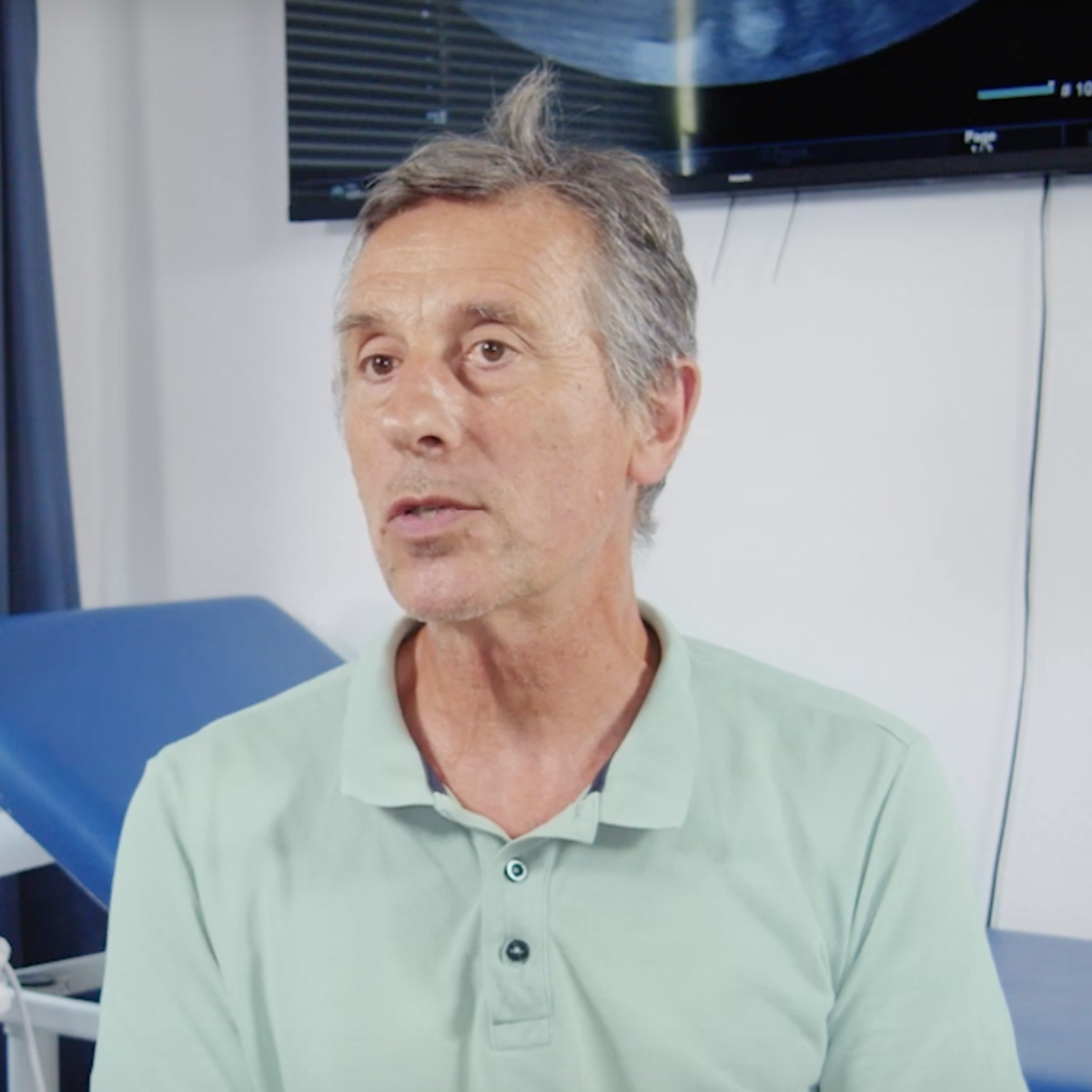
For Dr. Benoît Gavoille, a general practitioner, clinical ultrasound represents both an opportunity and a learning experience. Equipped with an ultra-portable echOpen ultrasound device, he describes a very practical experience: that of a practitioner who sees the value of in-office imaging but who also recognizes the time required to incorporate a new procedure into a general practice consultation.
His account is valuable because it does not present clinical ultrasound as an obvious or immediately mastered skill. Rather, he describes a process: taking out the probe, looking, getting familiar with it, gradually gaining a sense of orientation, all while keeping in mind that ultrasound remains a procedure that requires practice.
"It was really to help me with the diagnosis and get some answers to my questions."
Why Dr. Gavoille Purchased a Portable Ultrasound Machine
His interest in clinical ultrasound developed gradually. Dr. Gavoille explains that he was encouraged by residents and then took his first one-day training course in abdominal ultrasound. At the time, he did not yet have an ultrasound machine and was discovering a field that was both stimulating and difficult to get into.
The cost of traditional ultrasound machines also played a role in his journey. He mentions machines that can cost tens of thousands of euros, making them difficult for a general practice to afford.
echOpen introduced in this context: as an opportunity to start practicing with a more accessible tool, without having to invest in a bulky and expensive ultrasound machine.
For him, the goal is not to replace the clinical examination, but to enhance it. Ultrasound becomes a way to supplement the examination, to seek additional information, and, in some cases, to help guide one’s reasoning.
From Early Practical Applications to Clinical Practice
In his current practice, Dr. Gavoille uses echOpen clinical situation warrants it and when he has the necessary time. He specifically mentions swellings, “lumps,” suspected cysts, certain types of abdominal pain, and pulmonary examinations.
These practices remain cautious and are still evolving. When evaluating abdominal pain, for example, he uses ultrasound as a supplementary tool for observation, rather than as a standalone diagnostic tool. He seeks to understand what he sees, to orient himself within the image, and to correlate the ultrasound findings with his clinical examination.
"I take out my probe much the same way I take out my stethoscope."
This sentence aptly sums up his approach to echOpen a tool that’s readily available and can be used at the right moment, as a natural extension of the exam. It’s not used systematically, but it’s starting to find its place in certain reasons for seeking medical care.
Dr. Gavoille also mentions his interest in other applications, particularly in thyroid and vascular procedures, while remaining cautious about their technical difficulty. He would like to make progress, especially to better explore certain situations, but emphasizes that these procedures require experience.
An experience that patients appreciate
One of the most striking benefits he has noted in his experience is the patients’ reaction. Dr. Gavoille explains that he often shows the ultrasound image during the consultation.
"I usually show it to the patient. People love it."
This point stands out as a key element of the testimony. His secretaries also report that some patients leave the consultation saying they saw the ultrasound image. For the doctor, even if he is not always entirely sure of what he is observing, the image can serve as a tool for discussion with the patient.
In this context, echOpen make part of the examination more visible. The image does not replace clinical reasoning, but it can complement it and provide an opportunity for explanation during the consultation.
The keys to progress: practice, support, and confidence
Dr. Gavoille’s experience also shows that the integration of clinical ultrasound is a gradual process. Like any new medical procedure, it requires time, repetition, and a learning curve. For a general practitioner, the challenge is not just having a probe, but learning to use it within the actual flow of a patient visit.
In his practice, Dr. Gavoille explains that he tries to use echOpen the situation allows, particularly to familiarize himself with the images, refine his technique, and build confidence. This process involves simple steps: positioning the probe correctly, taking the time to find the right view, adjusting the gel, and comparing what he sees with the clinical examination.
"We need reassurance, and we need to practice. It's good to have support; otherwise, we'll give up."
This observation highlights the importance of tailored support for physicians who are new to clinical ultrasound. The support formats offered by echOpen—particularly staff meetings and clinical case studies—can help practitioners progress step by step, at their own pace, starting with real-world situations they encounter in their practices.
Dr. Gavoille’s account thus serves as a reminder that trust is not immediate: it is built over time. This is also what makes clinical ultrasound valuable in general practice. The more it is used, the more naturally it can be integrated into the clinical examination, serving as a complementary tool to gain further insight and better guide certain situations.
What this feedback shows
This case report clearly illustrates the potential role of clinical ultrasound in primary care: not as a comprehensive specialized examination, but as an extension of the clinical examination—one that can be used in the office to observe more closely, engage with the patient, and sometimes better refine a clinical hypothesis.
He also points out that the adoption of clinical ultrasound is a gradual process. Progress comes through practice, repetition, and access to educational materials tailored to the situations encountered in primary care.
With this in mind,echOpen healthcare professionals by offering an affordable, portable ultrasound device designed to enhance clinical examinations, while also providing resources to help each physician progress at their own pace in their daily practice.

.png)
.png)